Ask a veteran site manager about fencing in the nineties and you will hear about star pickets, orange plastic and a fortnightly walk to stand panels back up. That world ended, not because fencing companies got ambitious, but because construction professionalised around the fence: regulation put a duty behind the perimeter, urban infill put the public a metre from the work, and the audit trail reached everything that touches safety. The fence, which touches the public directly, was first in line.
What the modern site expects of its fence
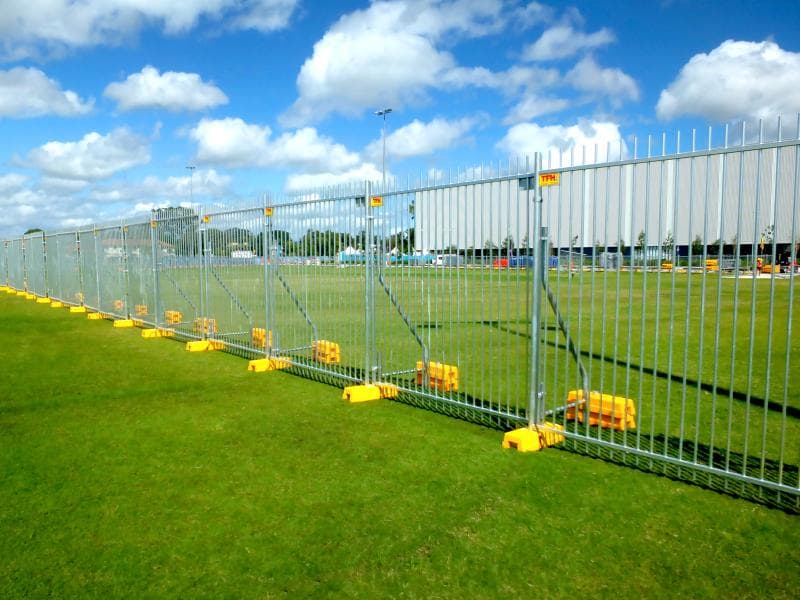
System behaviour. The contemporary fence is an engineered assembly, panel, block, clamp, brace, whose performance, especially in wind, belongs to the assembled whole. The buyer's compliance guide covers the standard behind it; the setup guide is the assembly discipline in practice.
Duty coverage. WHS law made the perimeter the primary control for the public protection duty, which converted fencing from cost line to compliance evidence. Modern audits ask who checked the line, when, and against what.
Specific answers to specific conditions. The approvals era brought conditional fencing: tree protection zone packages because vegetation conditions name fencing explicitly, noise reduction barriers because residential interfaces carry acoustic expectations, and the absolute rule that pool adjacent work needs dedicated pool barrier product, never site mesh.
A public face. Banner mesh made the perimeter the project's largest advertisement and its statutory signage board at once, appearance joined performance on the checklist.
What changed for buyers specifically
The professionalisation of fencing created something that did not exist in the star picket era: a genuine ownership market. Modern panel systems assemble without trades, ship as complete packages, and reward the repeat deployer with the payback arithmetic that built Site Direct's customer base: landscapers, small builders, civil crews and event organisers running their own perimeter stock.
The ownership deal has a clause: the owner inherits the discipline. Clamped joints, braced corners, covered runs re ballasted, damaged components retired, the maintenance habits that a hire company's yard used to perform now belong to your container. The modern fence rewards owners who treat it as the safety system it became.
The direction from here
Perimeters keep absorbing functions, acoustic, environmental, branding, and the audit trail keeps deepening. The buyers who thrive are the ones who bought the system, learned the discipline, and stopped paying weekly for equipment they deploy monthly.
Buy the modern fence
Packages and components, Australia wide, freight at checkout: browse or ask us.