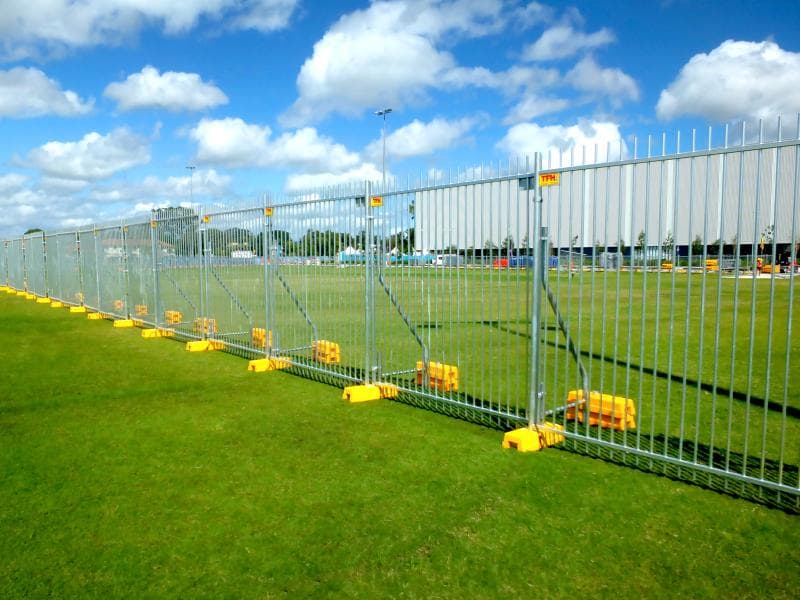
Festival fencing is the adversarial end of event infrastructure: the perimeter faces weather that tests the engineering and non ticket holders who test everything else, for a whole weekend, usually in a paddock. For organisers running owned or self managed fencing, the design principles matter double, because there is no supplier crew arriving to fix a leaning run at midnight.
The perimeter's three masters
The ticket line. The fence is the boundary between paid and unpaid, and it will be probed at the quiet corners. Full height mesh panels, properly clamped into a continuous system, are the minimum; the stretches with tempting sightlines or low supervision deserve extra attention and light.
The licence. For licensed events the fence line legally defines the licensed area, gate positions and boundary changes are compliance matters agreed with authorities, not day of conveniences. Lock the fence plan when the licence locks.
The emergency plan. Egress points open where the safety plan says, at the widths it says, unblocked from build to strike. This is the one master that overrules the other two.
Wind: the adversary with no ticket
Paddock perimeters carry banner mesh for sponsors and screening, and covered mesh in open country is a sail farm. The rules from the setup guide apply at double strength: braces on every covered stretch, extra block ballast at corners and ends, and the fence line on the overnight checklist beside the stages. The 2am southerly before the big day is a festival tradition; being braced for it is optional only once.
Gates: throughput with control
Wide gate throats broken into crowd barrier lanes, transactions (tickets, bag checks) pulled forward so pauses happen in lane rather than in the gateway, and a reserve lane for accessibility and incidents. The barrier package sizes map to gate designs cleanly, and the queue arithmetic lives in the crowd control guide.
Inside the wire
The interior repeats the logic smaller: a fenced production compound (the valuables sleep there), barrier standoffs at stages, safety mesh on cable runs and wet ground, and the car park interface controlled with cones and barrier boards where wheels meet feet.
The recurring festival's quiet advantage
An annual event on the same ground is the strongest ownership case in the events world: the same perimeter, rebuilt each year from owned stock, with the layout improving annually at zero marginal cost. Year one buys the kit; every year after, the fencing line in the budget reads "freight and pizza for the setup crew".
Kit the perimeter
Fence and barrier packages up to 200m ship Australia wide, freight at checkout. Size against the site plan with the event fencing guide, or ask us.