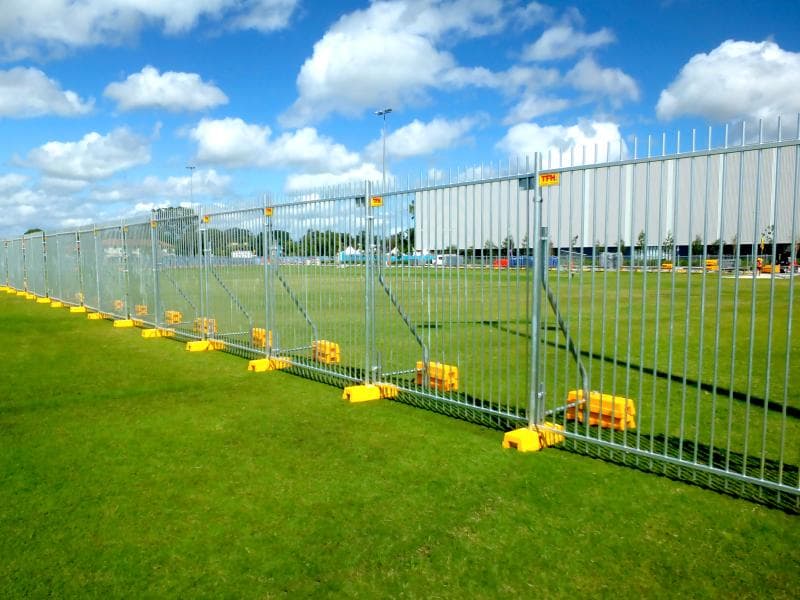
Construction sites are constantly changing environments with real hazards baked into the day-to-day. Strong safety controls are essential, and temporary fencing is one of the foundational elements of that safety system. This guide walks through how temporary fencing supports safe construction work — what it does, what to look for, and where to apply it.
Why Temporary Fencing Matters for Construction Safety
- Risk Management: Open excavations, partially built structures, and material stockpiles all introduce risk. Temporary fencing is the first line of defence — keeping people away from hazards they shouldn't be near.
- Legal and Insurance Implications: Falling short of safety rules invites legal exposure and lifts insurance premiums. Properly specified temporary fencing helps you meet Work Health and Safety obligations.
- Public Liability: Urban construction sites often sit right next to active public space. Fencing creates the barrier that protects passers-by from construction hazards.
Types of Temporary Fencing and Where They Fit
- Chain Link Fencing: Built for long-term projects, durable, and offering a higher security standard.
- Electric Fencing: For high-security sites where intrusion is a real risk, electric fencing is a strong deterrent.
- Acoustic Fencing: Where noise pollution is in play, acoustic panels reduce the noise spilling beyond the boundary.
Enhancements and Additional Safety Measures
- Stability and Wind: In windy areas, the fencing needs additional bracing to stay upright in a gust.
- Visibility Enhancements: High-visibility strips or flags help in low light.
- Access Control: Controlled access points with lockable gates limit entry to authorised personnel.
Integrating Temporary Fencing with Other Safety Systems
- CCTV and Alarm Systems: Fencing pairs naturally with surveillance and alarm systems for a stronger security envelope.
- Signage: Mandatory safety signs and directional signage attach directly to the fence line.
Maintenance and Inspection
Regular inspections and prompt repair of damaged sections keep the barrier doing its job. A fence with a kicked-in panel isn't a fence — fix it fast.
Temporary fencing is more than a physical barrier; it's a flexible tool that sits at the centre of safety, security, and compliance on construction sites. Site Direct supplies the products and the advice to get it right.
For more information, visit our product catalogue or contact our team.